Ohio’s 76 National Historic Landmarks
Through the Eyes of Three Preservation Experts
Todd Kleismit, executive director of America 250-Ohio
The beginning of Ohio Open Doors this week had America 250-Ohio thinking about Ohio’s 76 National Historic Landmarks (NHLs). If ever there was a time to showcase Ohio’s unique contributions to the United States, the 250th anniversary is a darn good occasion! In the Spirit of ’76 in Ohio, these 76 National Historic Landmarks in the Buckeye State identify the special places that are nationally significant. Hamilton County has the most in Ohio with 14.
From September 10-20, get out there and choose from hundreds of Ohio’s incredible tourism destinations and special offerings. You don’t have to travel far. There’s at least one Ohio Open Doors opportunity in each of Ohio’s 88 counties, more than 250 places!
We thought it would be fun to ask three people who arguably know more about Ohio’s National Historic Landmarks than anyone which ones are their favorites. We’ll start this week by asking Barb Powers who recently retired from the State Historic Preservation Office where she oversaw the administration of the state National Register of Historic Places program and the state’s NHLs. Here are Barb’s top 13 picks…
In This Series:
Three preservation experts share their favorite National Historic Landmarks in honor of Ohio Open Doors 2026:
Meet this Week’s Guide:

Barb Powers
Retired State Historic Preservation Office leader and administrator of Ohio’s National Register of Historic Places & National Historic Landmark programs
13 National Historic Landmarks Every Ohioan Should Know
Carew Tower-Netherland Plaza Hotel
Cincinnati—1930
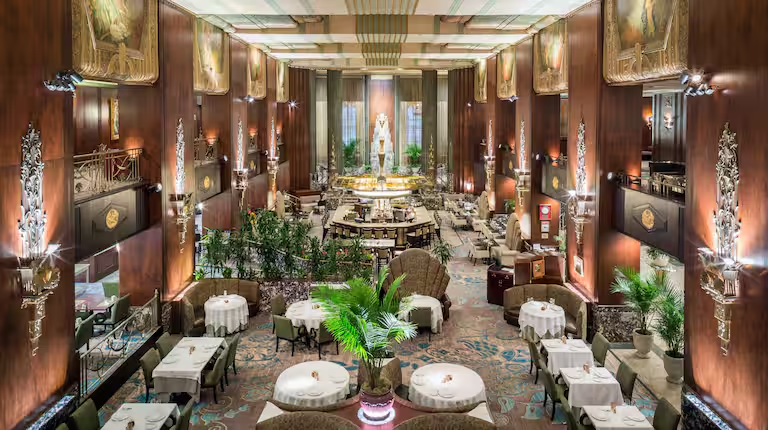
The Carew Tower-Netherland Hotel is one of the finest examples of skyscraper modernism in America – built in an amazing 13 months. Netherland Plaza is an outstanding example of Art Deco style. Stunning Art Deco interiors – exotic woods, metals, marble, granite, Rookwood tile.
Cincinnati Union Terminal
Cincinnati—1933
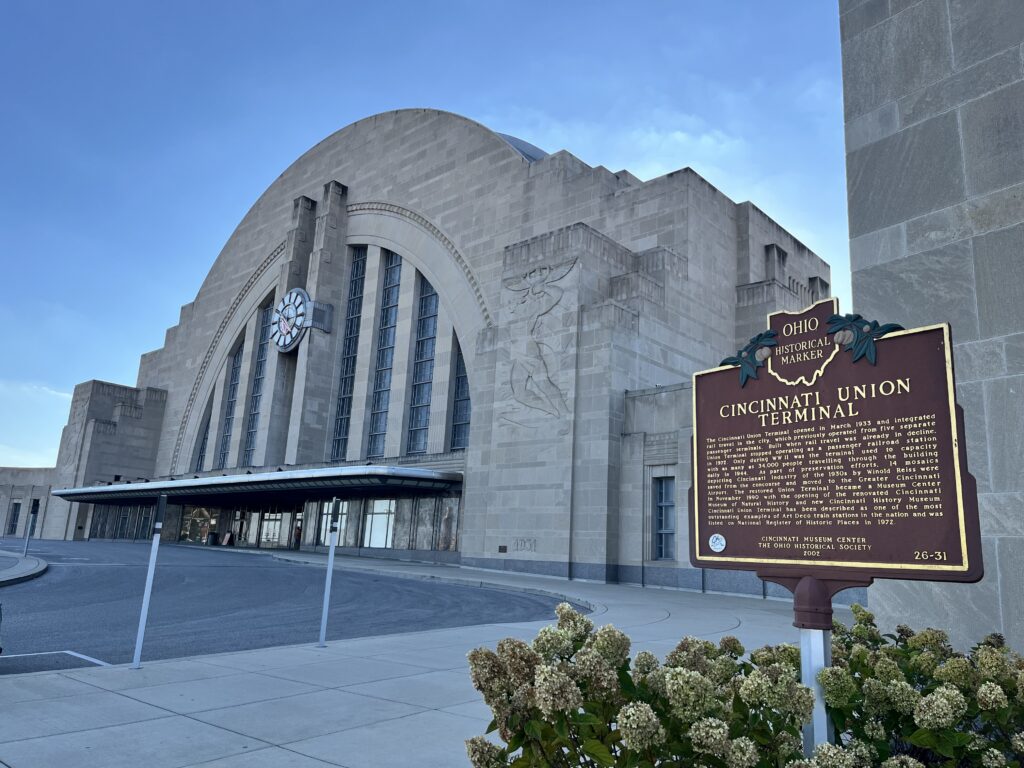
An outstanding example of Art Deco one-of-a-kind railroad terminal. A large cascading fountain fronts the main entrance and front elevation of the eye-catching semi-spherical dome. The interior of the Cincinnati Union Terminal boasts mosaic murals of the history and industry of Cincinnati and the story of transportation. Architects were Fellheimer and Wagner, and the artists were Winold Reiss and Pierre Bourdelle.
People’s Federal Savings & Loan Association
Sidney – 1917-1918
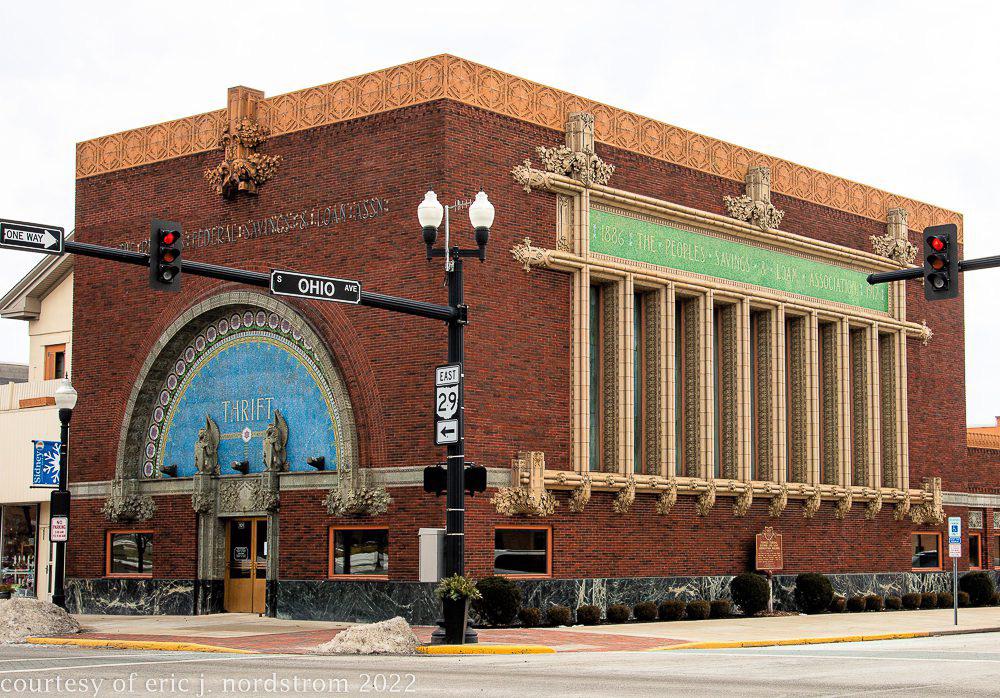
The People’s Federal Savings & Loan Association is considered one of the finest of Chicago architect Louis Sullivan’s 17 “jewel box” banks designed throughout the Midwest at the end of his career. Displays intricate terra cotta and mosaic ornamentation. Early expressions of Modernism. It still operates as a bank.
Cleveland Arcade
Cleveland – 1888-1890
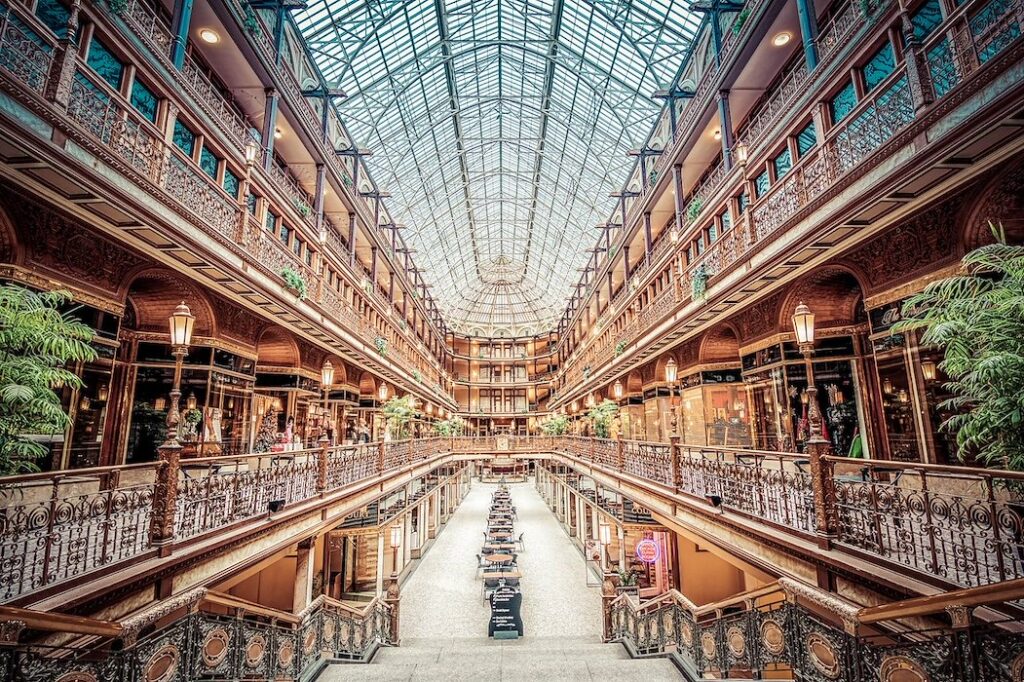
The impressive five-story Cleveland Arcade, which is topped with an iron and glass skylight shows influence of European models and was a precursor to the modern shopping mall. The Arcade’s construction coincided with the rise of Cleveland as Ohio’s largest city and a national leader in industry. Designed jointly by Cleveland architects John Eisenmann and George H. Smith, and financed by prominent local industrialists, including John D. Rockefeller and many of his Standard Oil Company associates.
May 4, 1970, Kent State University Shooting Site
Kent – 1970
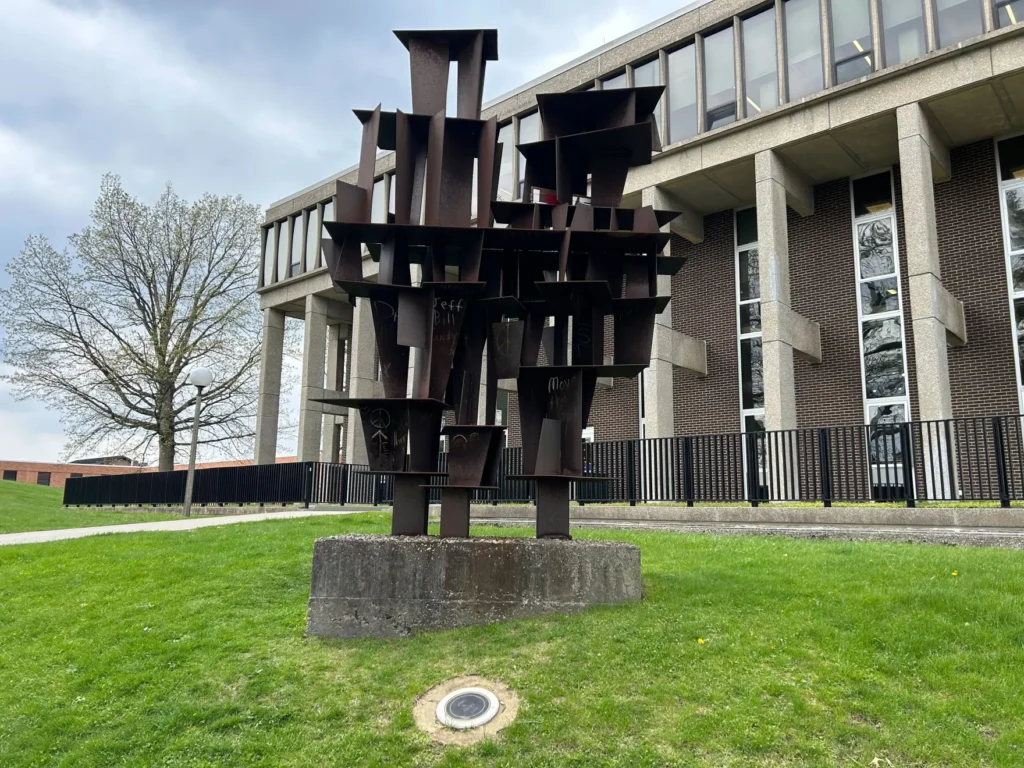
The Kent State National Historic Landmark site illustrates the power of place as the campus location of the student protest of the Vietnam War that ended in tragedy when Ohio National Guard killed four and wounded nine Kent State students.
Ohio Statehouse
Columbus – 1839-1861
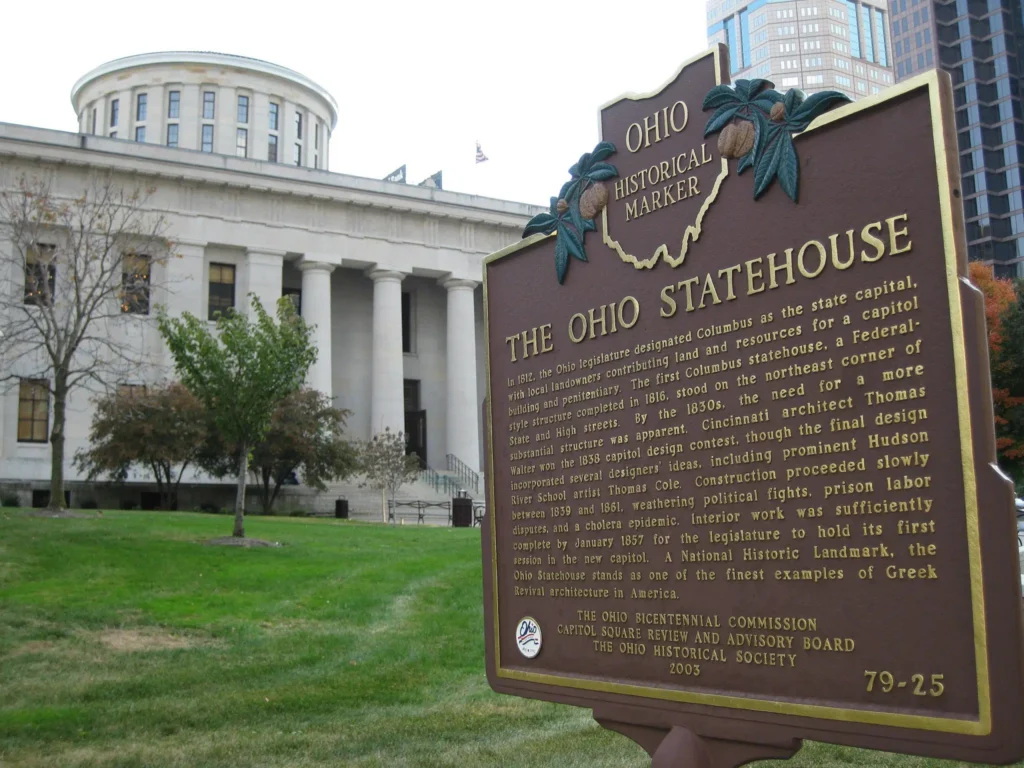
The Ohio Statehouse is outstanding example of Greek Revival style architecture. Impressive in its continued use as the functioning seat of state government.
Mount Pleasant Historic District
Jefferson County – 1804-1875
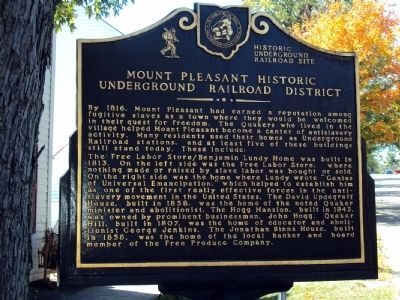
Historic Mt. Pleasant is important for its early and active association with the anti-slavery and abolitionist movements. Founded by Quakers it is the location of their 1814 Yearly Meeting House, hosting the second convention of the Ohio Anti-Slavery Society in 1837. The Mt. Pleasant Free Produce Company was organized in 1848, operated a store in Mt. Pleasant until 1857 and was home to early abolitionists Charles Osbom and Benjamin Lundy.
Zoar
Tuscarawas County – 1817-1898
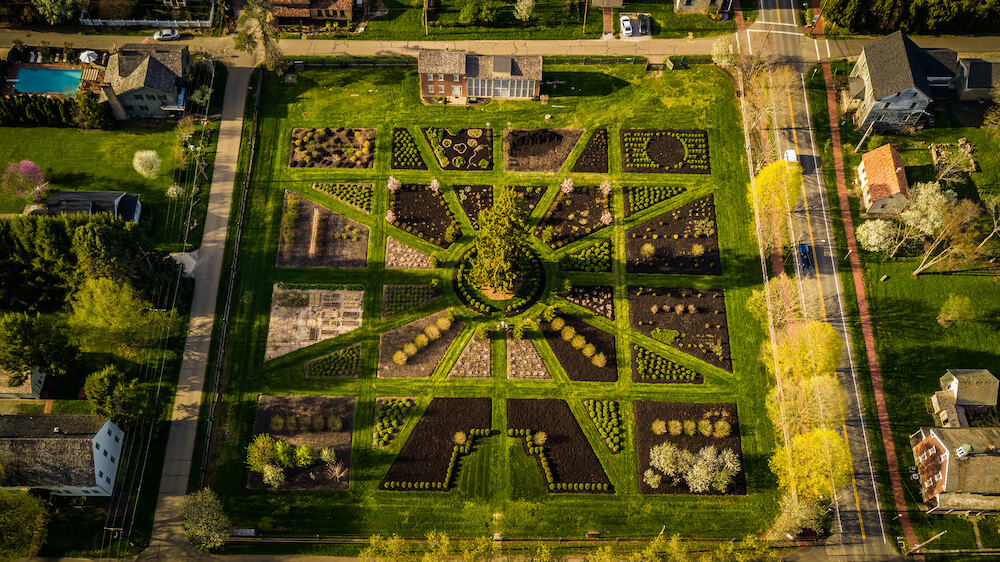
An exceptional example of an early 19th century communal utopian society. Coming to America and to the new state of Ohio for religious freedom in 1817, Zoar Village was the permanent home of the German Society of Separatists in the United States.
Glendale, Village of Mariemont, and Greenhills
Hamilton County
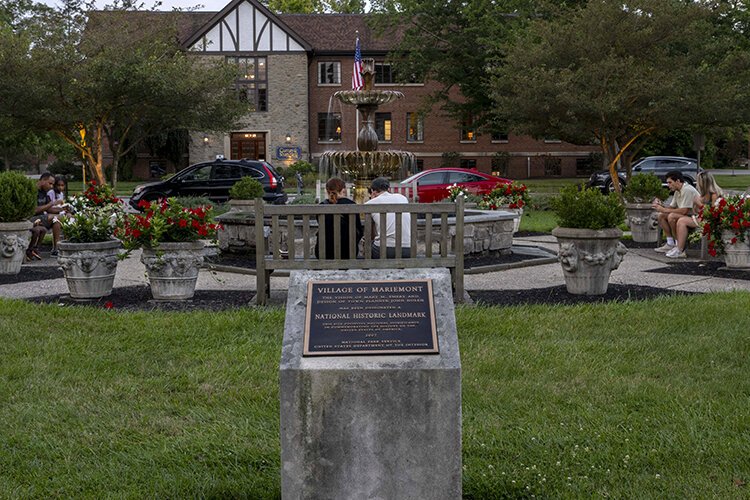
An important trio of NHLs reflecting major phases of American suburban development. Glendale, 1851, believed to be earliest known subdivision village in United States. Village of Mariemont, envisioned by Mary Emery of the Cincinnati real estate family and designed by landscape architect John Nolen in 1920–1921, an American garden suburb, based on English models and demonstrating a masterful integration of architecture, landscaping, and urban design. Greenhills, 1938, is one of only three new greenbelt towns developed by the Resettlement Administration during the New Deal.
Harriet Taylor Upton House
Warren – 1832
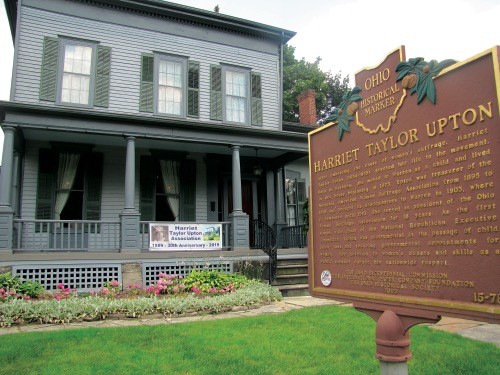
Built in 1832, the Harriet Taylor Upton House was home to Harriet Taylor Upton from 1883 until 1931. Taylor was a national leader in the women’s suffrage movement with her home serving as national headquarters of the National American Woman Suffrage Association from 1903-1909.
Adena – Thomas Worthington House
Ross County — 1807
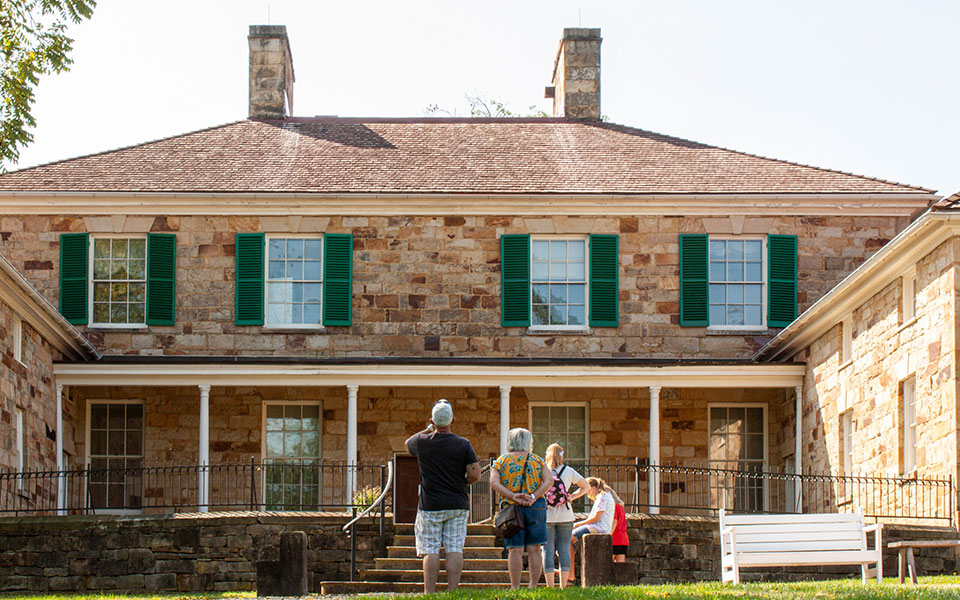
At Adena Mansion & Gardens stands the Thomas Worthington House, a large, impressive house in Virginia Military District and built a few years after statehood by Thomas Worthington, Ohio’s first senator, 6th Governor. House design by Benjamin Henry Latrobe (architect of the US Capitol).
Ohio Theater
Columbus – 1927-28
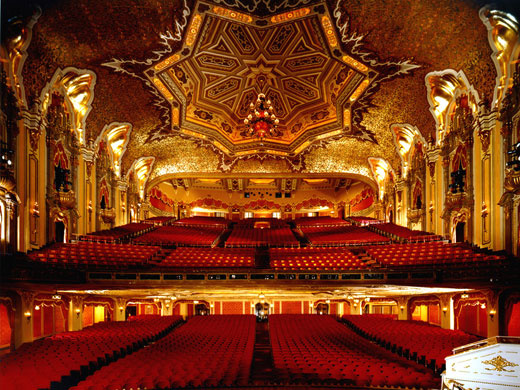
A magnificent, grand movie palace of the 1920s featuring lavish architecture, luxurious spaces with special effects, exotic decor, dramatic lighting, and the Mighty Morgan organ. Saved from the wrecking ball by CAPA, the Ohio Theater is now a premier performance center, hosting a popular summer movie series.
Warren G. Harding House
Marion – 1891-1923
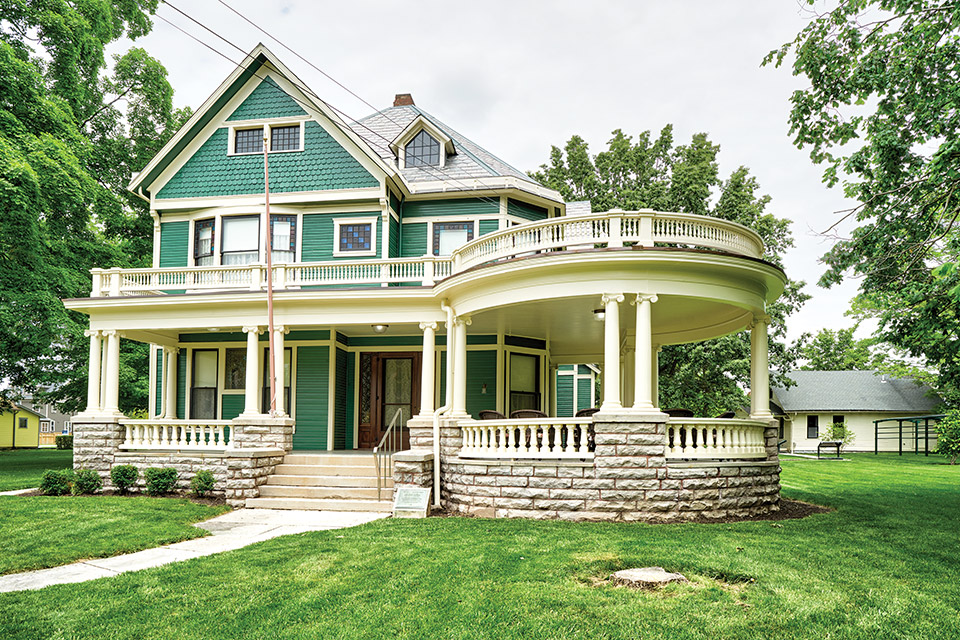
The Warren G. Harding House was home of Marion Star newspaper editor, Warren G. Harding and his wife Florence. Elected as the 29th President of the United States, Harding campaigned from the Colonial Revival style front porch which was designed by Columbus architect and friend of Harding, Frank L. Packard for the famous front porch campaign.
Next Week: Joyce Barrett’s 13 Favorite National Historic Landmarks in Ohio
Next week we’ll ask Joyce Barrett, former executive director of Heritage Ohio, about her 13 favorites.
P.S: Fun with numbers… Did you know Ohio also has 76 state parks, operated by the Ohio Department of Natural Resources? Ohio’s state parks are #1 in the nation, according to the American Academy for Park and Recreation Administration.