
Ohio’s 76 National Historic Landmarks
Through the Eyes of Three Preservation Experts
Todd Kleismit, executive director of America 250-Ohio
This is the third (and final) weekly installment about Ohio’s National Historic Landmarks (NHLs). Ohio boasts 76 NHLs, located in 37 counties and dating as far back as 2,000 years to the Hopewell Ceremonial Earthworks, which comprise Ohio’s only World Heritage List Sites (find out more about these sites here).
We previously asked a couple of people who know a lot about Ohio’s NHLs – Barb Powers, now retired from the State Historic Preservation Office, and Joyce Barrett, now retired from Heritage Ohio, a leading historic preservation advocacy organization, about their top 13 picks. This week we asked Bob Loversidge, retired president and CEO of Schooley Caldwell Associates, a leading architectural firm based in Columbus. Bob has worked on many of the historic landmarks both in Ohio and elsewhere, including his work leading the massive restoration of the Ohio Statehouse in the 1990s.
Here are Bob’s 13 picks.
In This Series:
Three preservation experts share their favorite National Historic Landmarks in honor of Ohio Open Doors 2026:
- Part 1: Barb Powers
- Part 2: Joyce Barrett
- Part 3: Bob Loversidge
Meet this Week’s Guide:

Bob Loversidge
Architect and historic preservation leader, retired president and CEO of Schooley Caldwell Associates
13 National Historic Landmarks Preserving Ohio’s History
Adena (1807)
Chillicothe—1807
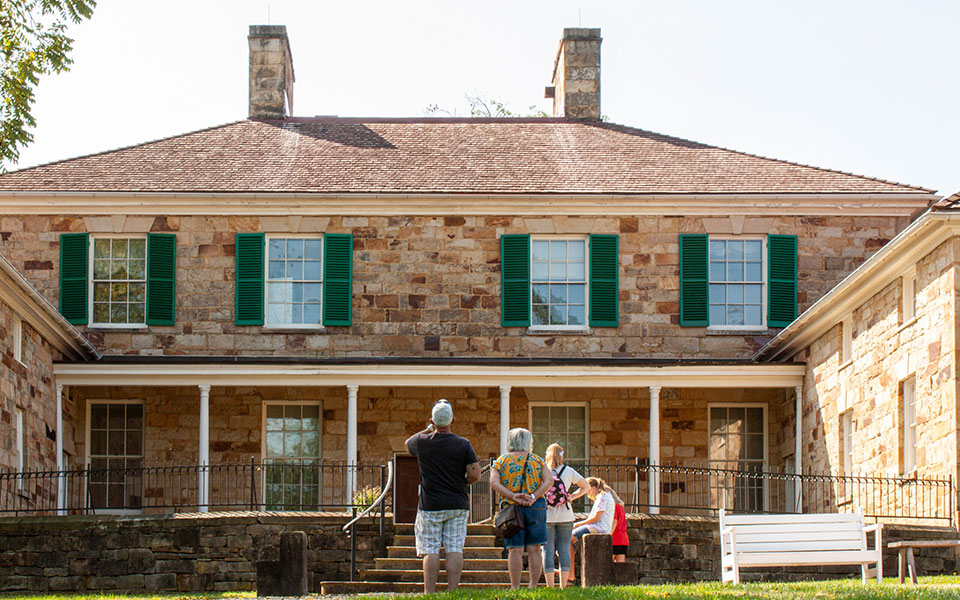
This large, impressive mansion in the Virginia Military District was built a few years after statehood by Thomas Worthington, Ohio’s first senator and sixth governor of Ohio. The house was designed by Benjamin Henry Latrobe (architect of the US Capitol). The inspiration for the state seal of Ohio was taken from a view from Adena.
Beginning Point of the U.S. Land Survey (1881)
East Liverpool—1881
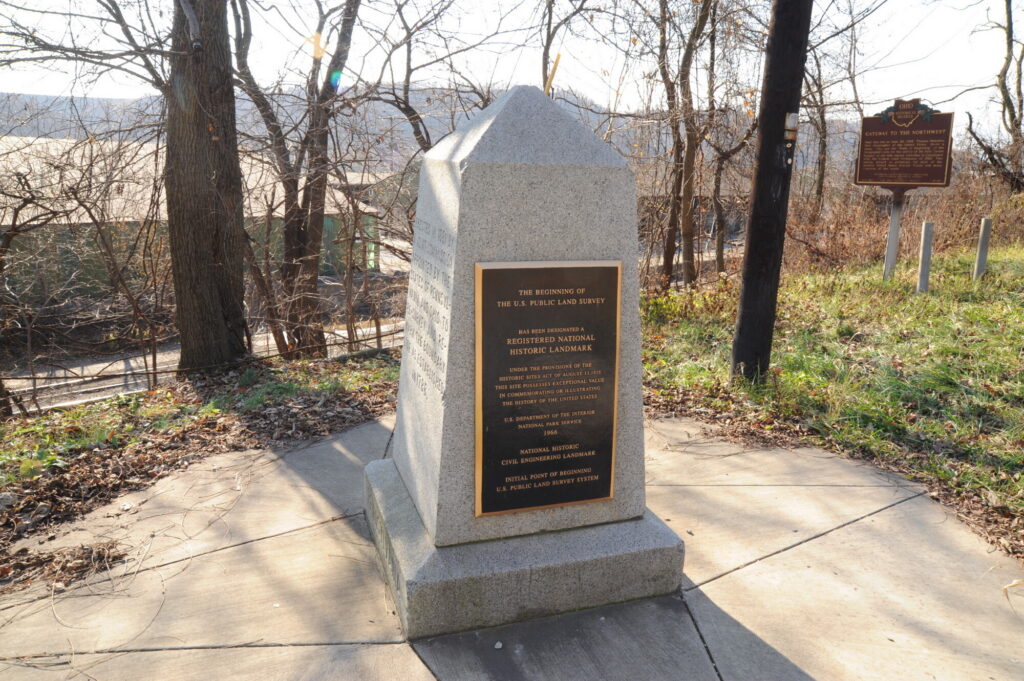
Congress established the Public Land Survey of 1785 in order to provide an orderly mechanism for opening the Northwest Territory for settlement. The ordinance directed Thomas Hutchins, the one and only person to hold the title of geographer of the United States, to survey an initial east-west base line. Hutchins began in 1786, using this location in East Liverpool (Columbiana County) along the Ohio River as his starting point. The monument was placed here in 1881.
Cincinnati Union Terminal (1933)
Cincinnati – 1933
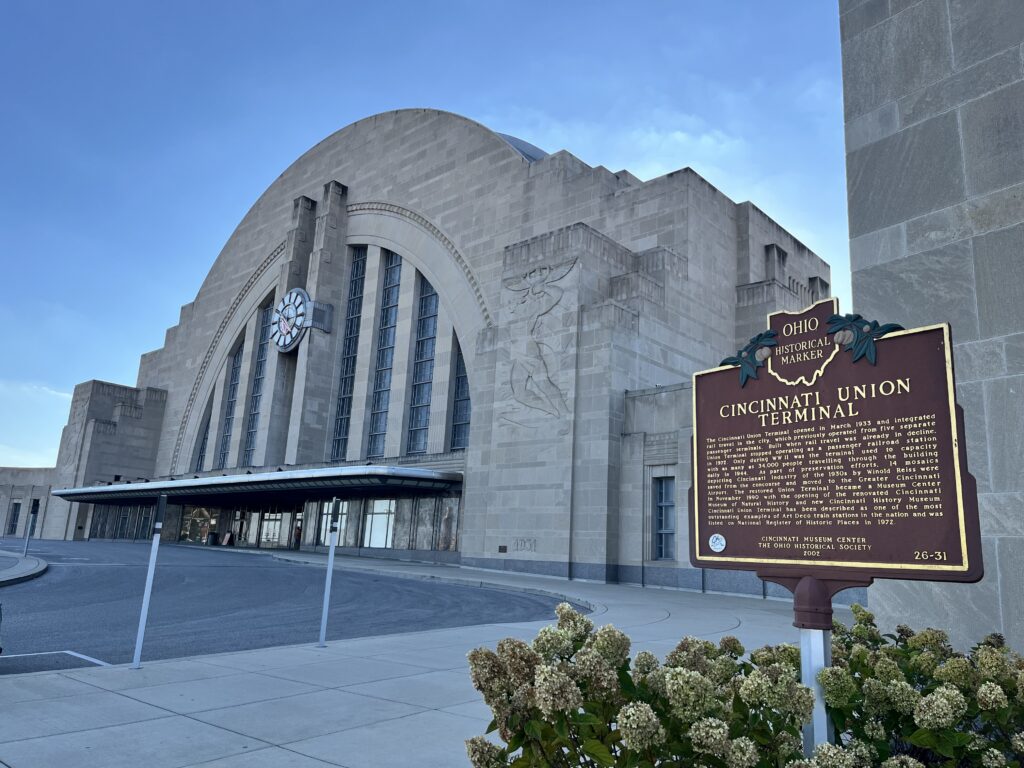
This bold Art Deco building’s architecture and design received general acclaim though, even in 1933, it was seen as being possibly the last grand intercity train station to be built. At its peak, Union Terminal had capacity to run 216 trains per day. It closed from 1972-1980. In 1990 it was re-envisioned as the Cincinnati Museum Center. Amtrak service returned a year later.
Covington and Cincinnati Suspension Bridge (1856-1867)
Cincinnati – 1856-1867
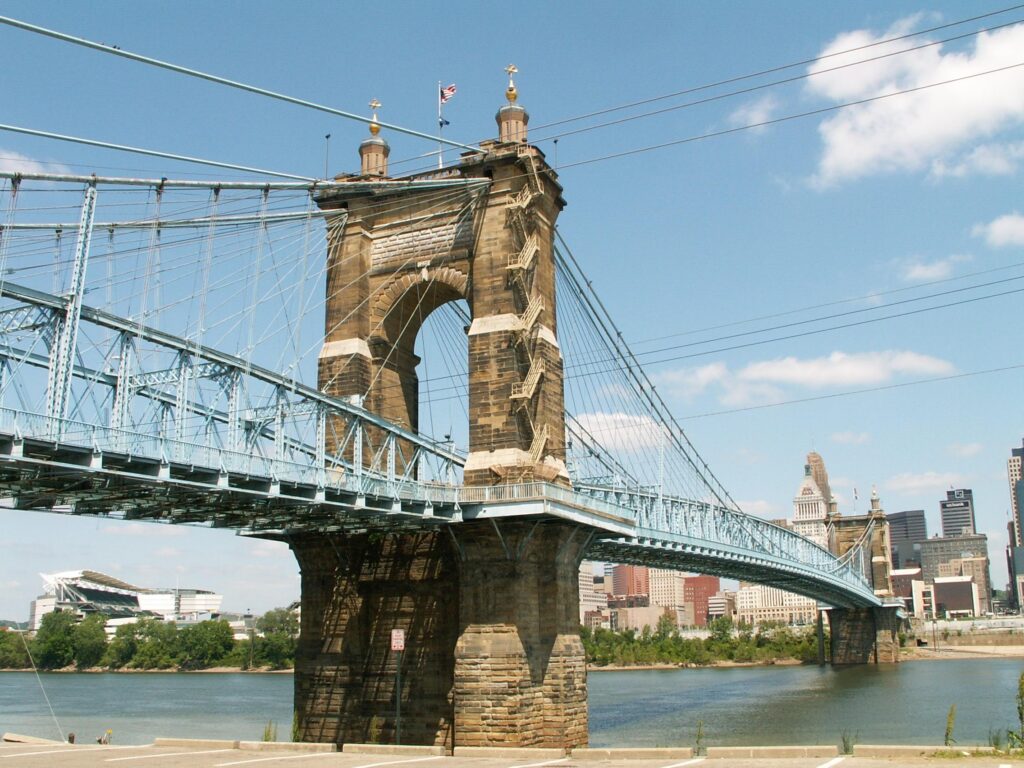
Now known as the John A. Roebling Suspension Bridge, this bridge is one of the most distinctive features along the Ohio River in the Cincinnati area. It was the longest suspension bridge at the time it was built. Roebling, the engineer, later designed the Brooklyn Bridge. This bridge has a rather remarkable history. It was painted light blue in honor of the nation’s Bicentennial in 1976.
Manasseh Cutler Hall at Ohio University (1819)
Athens – 1819
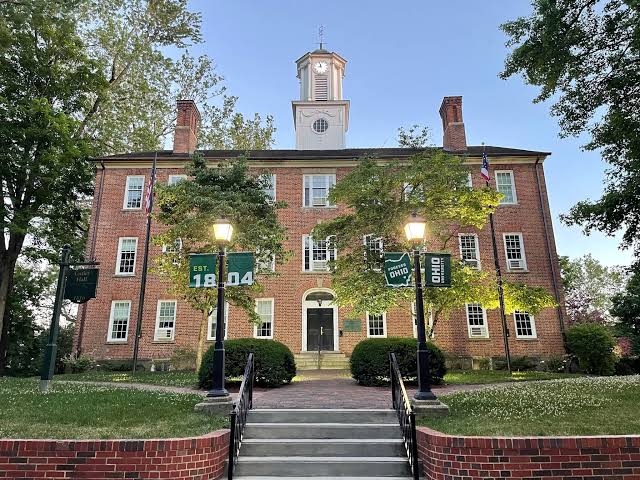
Cutler Hall is named for Manasseh Cutler, a New England physician, botanist, and minister who wrote Ohio University’s charter in 1804. Cutler was instrumental in obtaining approval by the old Continental Congress for the Northwest Ordinance and in the establishment of the Ohio Company, a group of New Englanders who settled Marietta and much of what became the state of Ohio.
Cutler Hall was completed only 20 years after the White House and is the oldest academic building in the Northwest Territory.
Kirtland Temple (1831-1836)
Lake County – 1831-1836
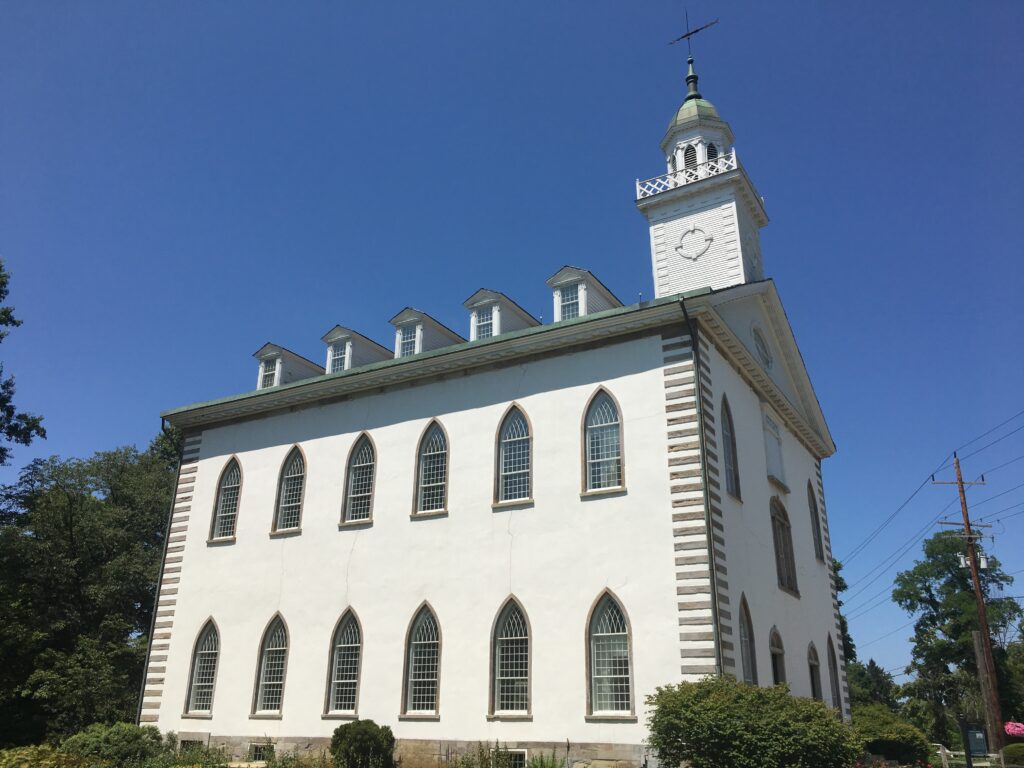
This is the first temple built by Mormons (members of the Church of Jesus Christ of Latter-Day Saints) and construction was directed by Joseph Smith, the movement founder, following a series of reported revelations. Kirtland is located in the southeast corner of Lake County and the temple, which features a blend of architectural styles, is open to the public for tours.
Kent State Shootings Site (1970)
Kent — 1970
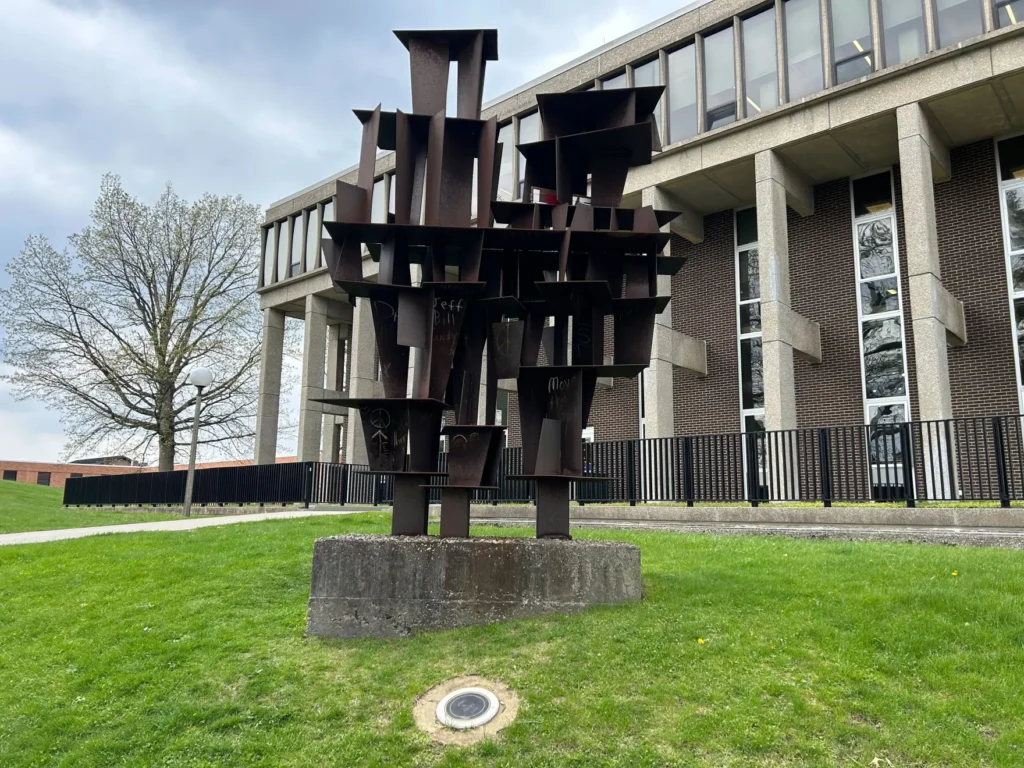
It was May 4, 1970 when members of the Ohio National Guard fired on student protestors, killing four students protesting the war in Vietnam. The incident on the Kent State University campus sparked national outrage and further division regarding America’s lengthy engagement in the conflict between North and South Vietnam. In recent years, an Ohio historical marker and other monuments and community conversations have led to more reconciliation of this difficult period and encounter between students and armed guardsmen.
Newark Earthworks (circa 2,000 years ago)
Newark – (~2,000 years ago)
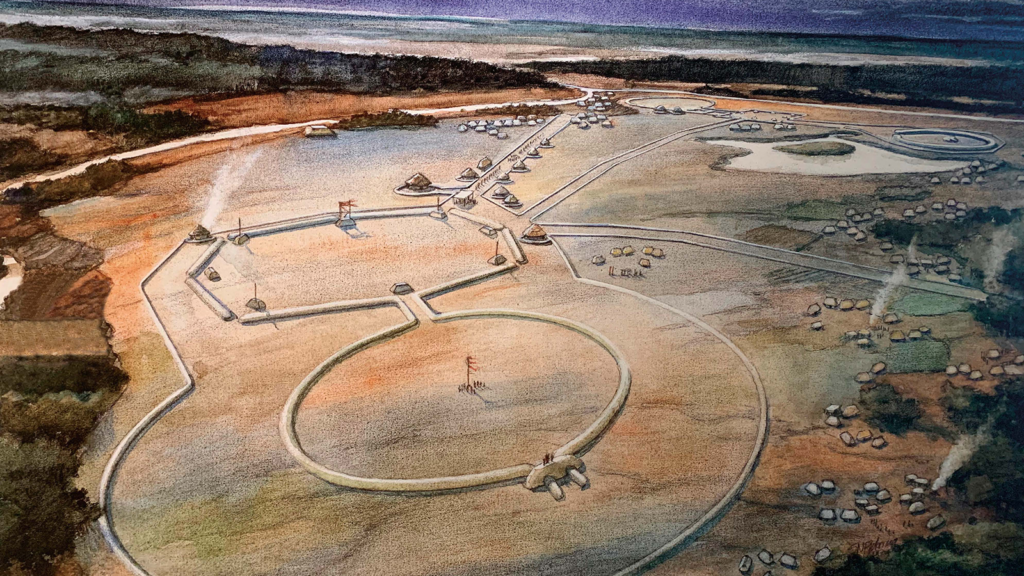
The Newark Earthworks are located in Licking County and were part of an elaborate system of lunar-aligned earthworks built by indigenous people usually referred to as The Hopewell Culture (an archaeologist’s term for the property on which they were discovered). The Newark Earthworks were recently recognized and listed on the prestigious World Heritage List, along with earthworks located at Fort Ancient (Warren County) and the Hopewell Culture National Historical Park in Ross County. The nomination and group is known as the Hopewell Ceremonial Earthworks. The lengthy process of achieving World Heritage status has led to much improved relationships with American Indian tribes with Ohio ties and several Ohio communities and cultural organizations.
Ohio and Erie Canal (1820s-1830s)
Valley View — 1820s-1830s
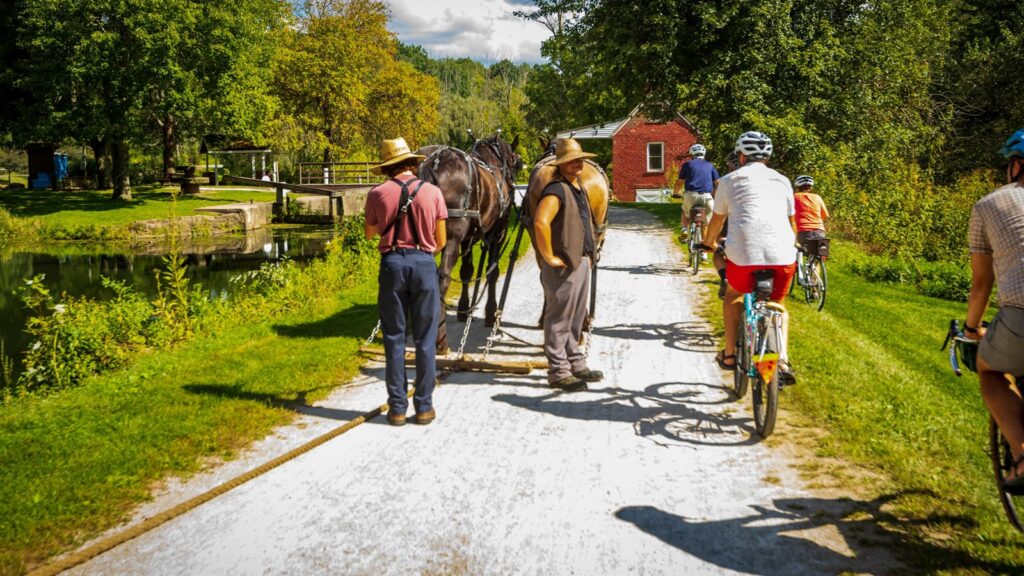
This canal carried mostly freight traffic from 1827-1861 when the demand for railroads led to the demise of the canals. The Ohio and Erie Canal connected Akron and Cleveland initially, followed by construction south to the Ohio River near Portsmouth. Much of the Canal was built by recent immigrants who were initially paid $0.30 per day and offered a jigger of whiskey. Portions of the Canal are still intact and are managed for the visiting public by the National Park Service or the Ohio Department of Natural Resources.
Ohio Statehouse (1839-1861)
Columbus – 1839-1861
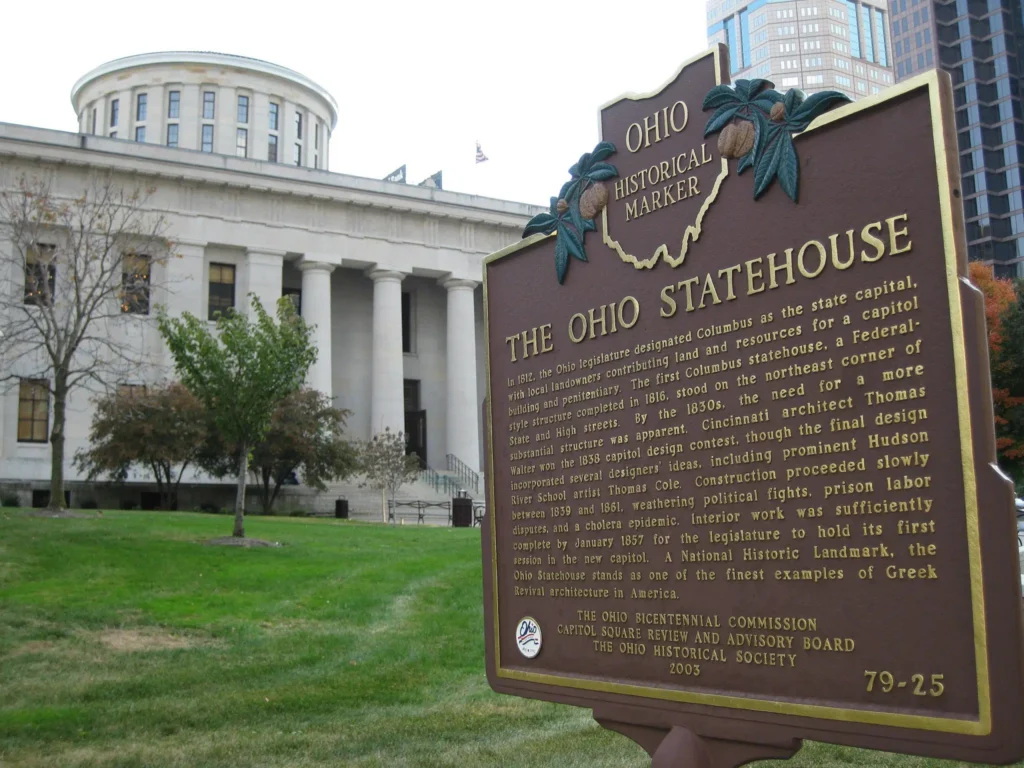
The Ohio Statehouse is one of the oldest working statehouses in the United States. About half-million people visit the Ohio Statehouse annually, thanks to a massive restoration led by state legislative leaders (Senate President Dick Finan, chiefly) who considered demolishing the Statehouse due to decades of neglect. Thankfully, the Statehouse was saved and preserved to its 1860s style and décor.
Ohio Theatre (1928)
Columbus — 1928
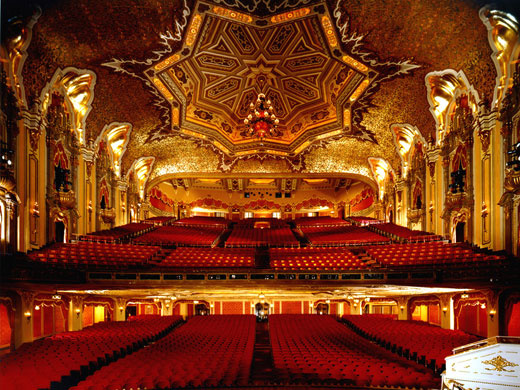
The Ohio Theatre is another example of an Ohio gem that was nearly razed due to years of neglect, but was completely restored to its original design and charm. The Ohio Theatre was initially conceived as a movie palace and venue for stage shows. Performers like Judy Garland, Milton Berle and Jack Benny performed there. The Ohio Theatre was saved from demolition in 1969 by a small group of dedicated people, leading to the non-profit Columbus Association for the Performing Arts (CAPA). Today the Ohio Theatre is the home of the Columbus Symphony Orchestra, BalletMet, the Broadway Series, Opera Columbus, and the CAPA Summer Movie Series.
S Bridge, National Road (1828)
Zanesville – 1828
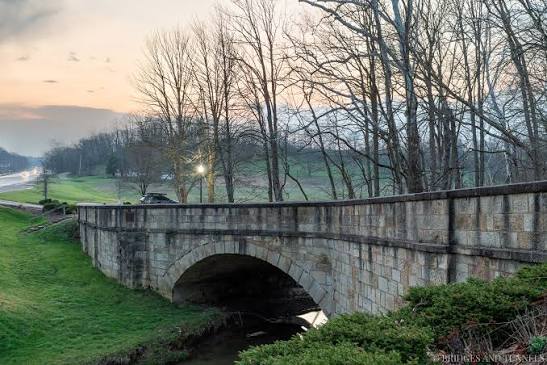
This bridge is one of the best-preserved surviving bridges built for the westward expansion of the National Road from Wheeling, West Virginia, to Columbus. S bridges derive their name from the sharply curving approaches to the span. The S Bridge is located in Guernsey County, just north of the current alignments of Interstate 70 and County Road 690. It is closed to traffic. If you get out to eastern Ohio, it is worth a visit.
Wright Flyer III (1905)
Dayton – 1905
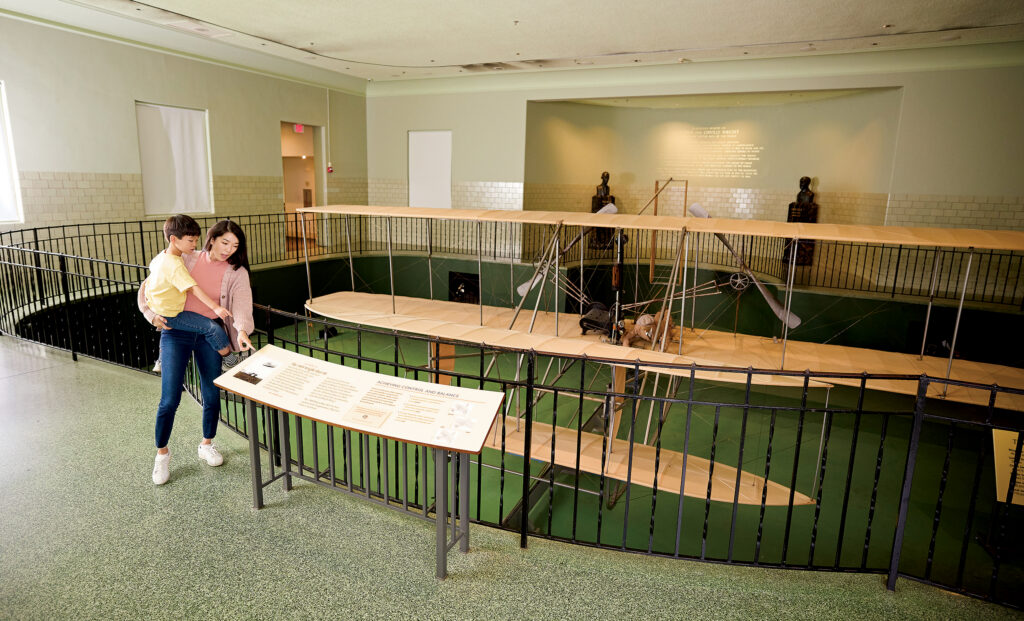
As the name suggests, this was the third powered aircraft built by the Wright Brothers during the winter of 1904-05. As initially built, the Flyer III looked almost the same as its predecessors and offered equally marginal performance. Orville suffered minor injuries in a crash in the Wright Flyer III on July 14, 1905. When rebuilding the airplane, the Wrights made important design changes that solved the stability problems of the earlier models. This aircraft is the only fixed-wing aircraft listed as a National Historic Landmark. You can see it on display at Carillon Park in Dayton.
Don’t Forget to Check Out Ohio Open Doors!
Ohio Open Doors runs through September 20, 2026. Exclusive access to Ohio history like this only comes around once every two years, so don’t forget to check out the events happening near you!