
Miles, Memories, and the Meaning of Movement
By Laura Lanese, President & CEO of Inter-University Council of Ohio, April 2026.
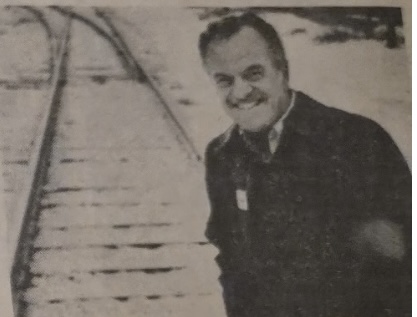
How Transportation—and One Ohioan’s Journey—Reflect America’s Story at 250
As Ohio and our nation prepare to commemorate America’s 250th anniversary, we’re reflecting on the role transportation has played in shaping who we are—how we move, connect, and explore.
For me, that reflection is personal.
A Daughter’s Personal Reflection on Transportation and History
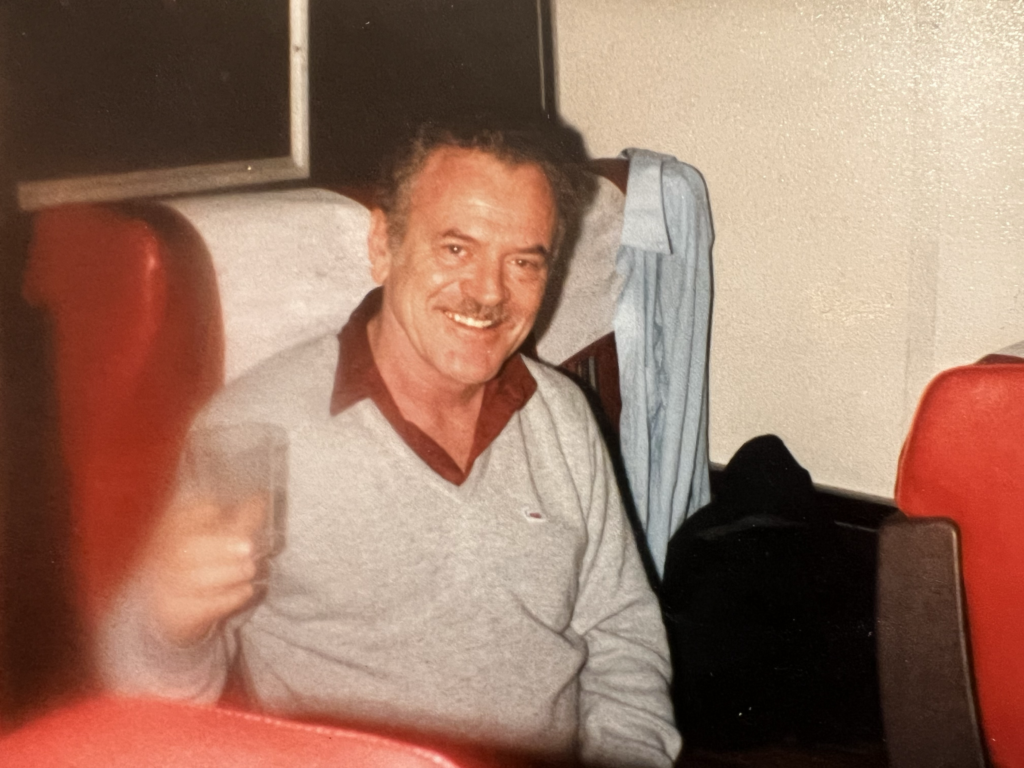
In 1984, my father, Jim Brady, set out on a journey that would eventually earn him a place in the Guinness Book of World Records. Armed with a 30-day Amtrak rail pass, he traveled nearly 25,000 unduplicated miles in just one month, passing through 442 stations across the country—never stopping in the same place twice.
He didn’t do it for the typical reasons people travel. He did it to make his mark on history. As he told a reporter at the time, at 52 he knew he wouldn’t be a great scientist or public figure—but this was something he could do.
He didn’t like to fly. He trusted the steady reliability of trains. And he was unapologetically frugal. Having grown up during the Great Depression, he carried those values with him for life—along with a deep sense of patriotism and curiosity about the country he had served.
After 20 years in the U.S. Navy, travel wasn’t just a pastime—it was a way of understanding America. The Amtrak pass offered a practical way to do just that.
But what began as practicality became a challenge.
One Man, One Month, and a Record-Breaking Journey
My dad decided he wanted to set a record—first convincing Guinness that “most train travel in a month” was even worth tracking. Then came the planning. For months, our dining room table was covered in maps and timetables as he charted a route that would take him across as much of the country as possible. This was long before computers or GPS—just paper, persistence, and patience.
And somehow, he made it work.
His trip was relentless. He had only four brief layovers, including one in Miami to see his brother—ironically, an employee of Eastern Airlines, who let him test out a new airplane simulator. Most stops lasted barely an hour before he boarded the next train. He traveled light, often mailing items home to my mom both to lighten his load and document the journey.
“A Front Row Seat to America”
Rail travel gave him a front-row seat to America—not just its destinations, but everything in between. Small towns, big cities, fleeting conversations with strangers, and miles of landscape you simply don’t see from 30,000 feet.
There were moments of unpredictability, too. In Fort Worth, a conductor announced that police were boarding the train because of a bomb threat. My dad helped them identify a suspicious traveler. A scuffle followed. No bomb was found, but the man was taken away in handcuffs—just a little unexpected excitement on an otherwise methodical journey.
Finding Home Along the Way
On the final leg of his trip, my dad struck up a conversation with another passenger—only to discover they were both from his hometown of Wilmington, Ohio. After all those miles, he was still running into pieces of home along the way.
His journey had begun in Indianapolis and ended in Cincinnati at a modest Amtrak stop along River Road—long after Union Terminal had closed, and before it would later reopen as a symbol of Ohio’s transportation legacy—reminding us how the ways we move continue to change over time.

Measuring Achievement in Miles—and Meaning
His record-setting trip was different from earlier travels.
Years before, he and my mother had driven west, once breaking down in a Chevy Chevette in the middle of Death Valley. Not quite the Donner Party, but a reminder that travel wasn’t always as predictable—or as safe—as it is today. We now take for granted smoother roads, reliable infrastructure, and the ability to call for help from almost anywhere.
But this journey wasn’t about lingering in places—it was about covering ground. Mile by mile, connection by connection, until the journey itself became the achievement.
Ohio’s Enduring Role How America Moves
Transportation, at its best, does more than move us. It connects us—to places, to people, and to a broader understanding of the country we call home.
In Ohio, we know this well.
From canals to railroads, highways to aviation, Ohio has long been at the center of how America moves. Transportation has powered our economy, shaped our communities, and expanded opportunity for generations.
My dad’s journey was just one small thread in that larger story—but it reflects something enduring:
A belief that how we travel matters.
That there is value not just in getting somewhere—but in how we get there.
And that sometimes, the long way around is the one worth taking.
Why How We Travel Still Matters
As we look ahead to America250, it’s worth remembering that transportation is more than infrastructure. It’s part of our identity.
It’s the story of movement—and the people who choose to explore it.
In my father’s case, it was a story measured not just in miles, but in moments—and in one everyday person’s determination to leave a mark on history.